

Dor (also called manja or manjha) is the specially coated string used for kite flying — and in Pakistan, it’s much more than just a thread. It’s culture, craft, competition, and controversy, all wound into a tight little pinna. This guide covers everything: what dor actually is, the types that have existed, the ones that got basant banned, and what’s legally available in today’s market.
Dor Guide — Table of Contents
-
1- Cotton Dor
-
2- Chemical Dor
-
3- Tandi
What Is Dor?
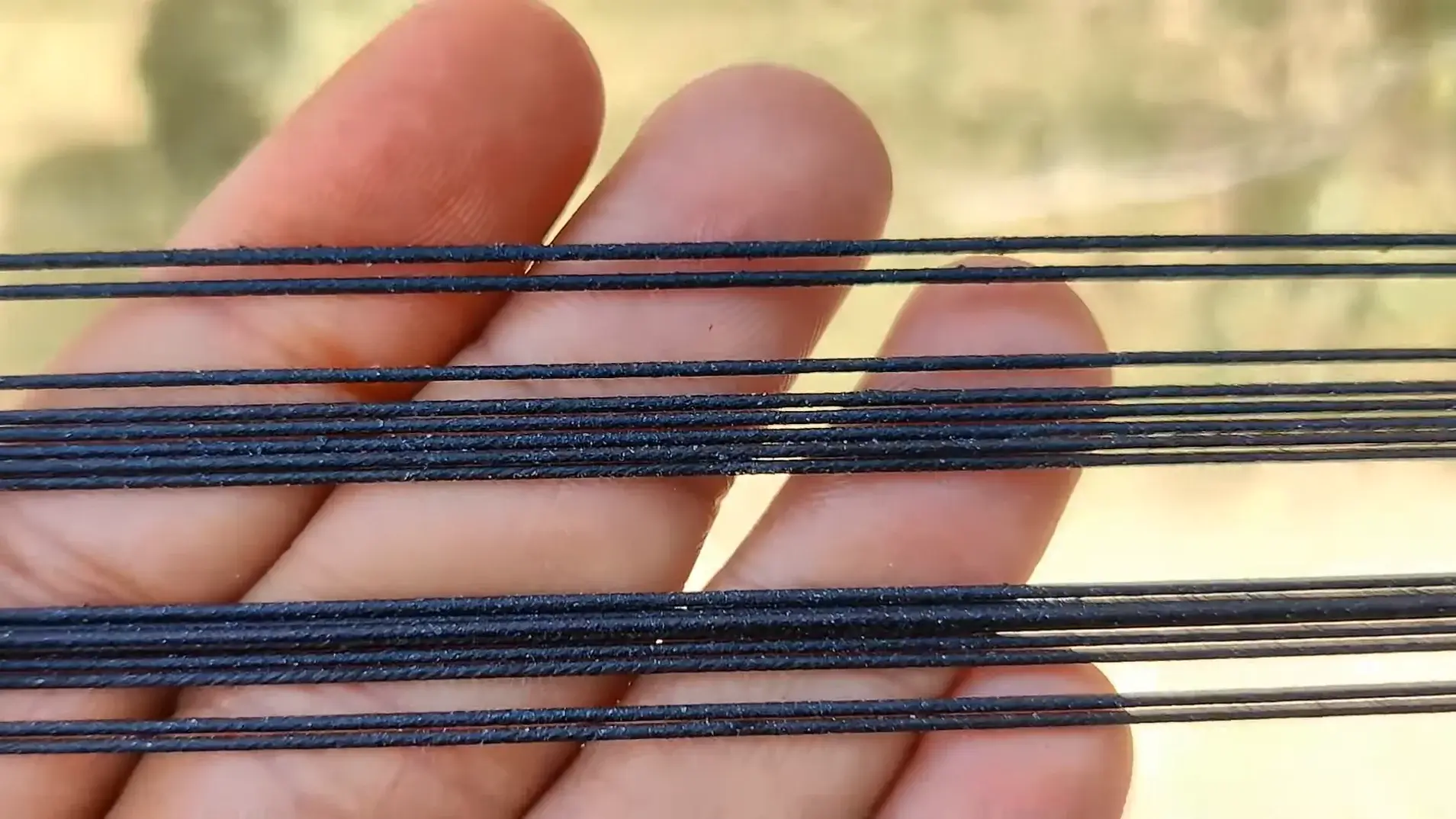
Dor is the coated kite-fighting string that connects you to your kite. The base is usually cotton thread — but what makes dor dor (and not just boring string) is the coating. A thread without coating has no cutting ability. However, when a thread is treated with an abrasive paste — usually a mix of adhesive ingredients and finely ground glass powder — that gives the string its legendary cutting ability.
That coating is exactly why kite battles (paicha) are so exciting. When two dors cross each other in the sky, the sharper, faster-moving one cuts through the other. One kite stays. One goes flying free. The crowd goes crazy.
The word “manja” or “manjha” comes from the Urdu/Hindi tradition of the same sport. In Pakistan, we say dor. In India, they say manjha — same thing, different word.
Defensive vs Offensive Dor
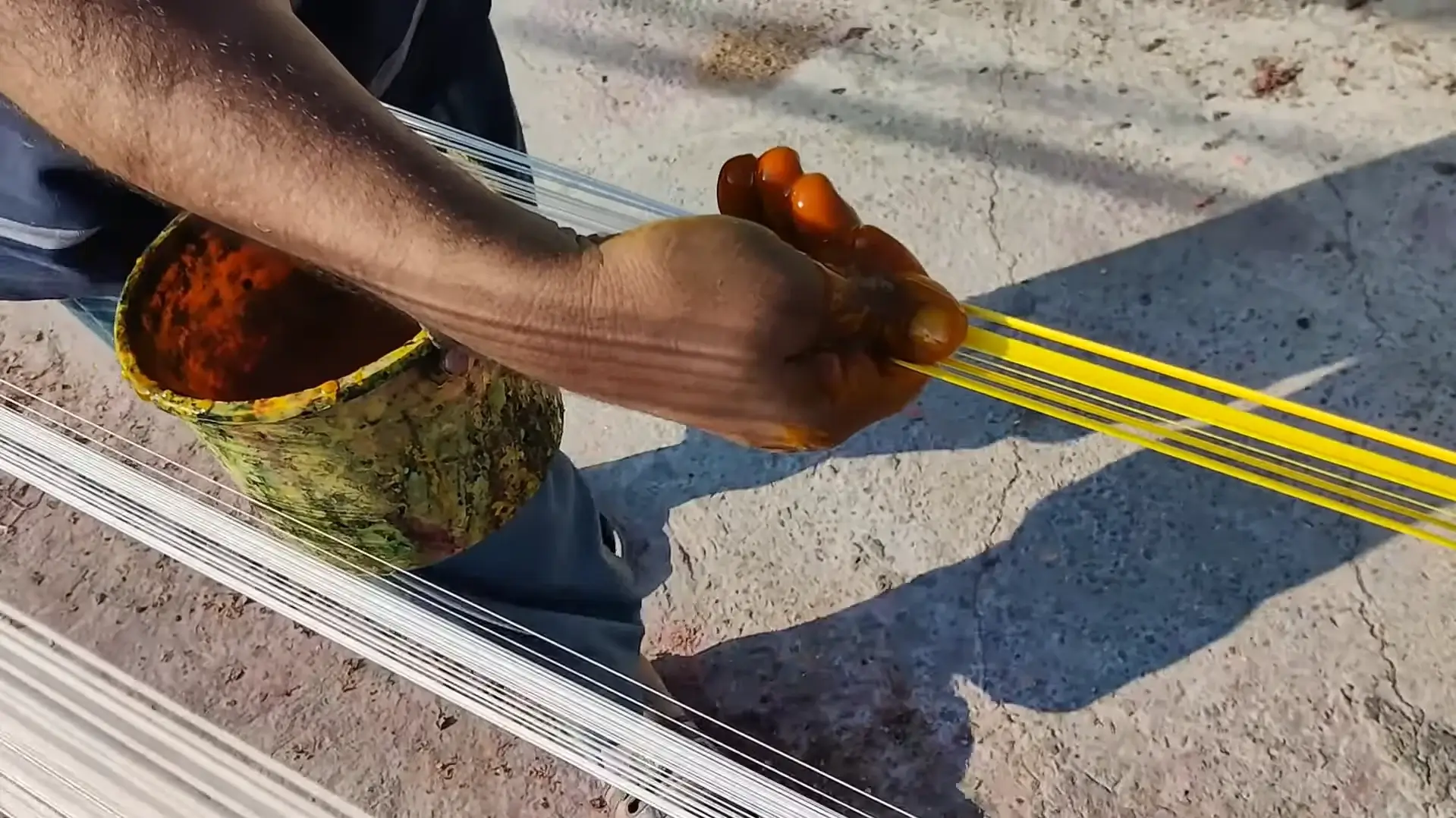
Not all dor is created with the same purpose. Some coating materials and techniques provide defensive capabilities — making the dor more resistant to being cut, able to withstand aggressive sharp strings. Others are formulated for offensive capabilities — designed to slice through opponent’s thread in a quick touch-and-go manner during paicha.
This is why dors are often categorized by their characteristics and fighting style. Real kite flyers don’t just buy random dor off the shelf — they work directly with highly skilled dor craftsmen (Ustads) to create custom dor tailored to their specific kite capabilities, paicha style, and competitive requirements. It’s a craft within a craft.
Where Did Dor Come From?
Kite fighting with coated string has roots going back centuries across South Asia dating back to at least the 13th century when kites arrived via trade routes. But it was in Lahore, during the Mughal era, that the art really blossomed. Rulers like Babur and Akbar were reportedly serious kite flyer —locally called patangbaaz— themselves.
By the time Basant became Lahore’s biggest rooftop festival, dor-making had evolved into a proper artisan trade, with skilled craftsmen called Ustad passing down secret coating recipes like family heirlooms.
The main production hubs in Pakistan were concentrated across Punjab — in Lahore, Kasur, Sialkot, Sheikhupura, and Faisalabad. Each area had its own style, its own reputation, and its own loyal flyers who swore by the local product.
Dor-making wasn’t a factory thing. It was a workshop thing — small setups, enormous skill, recipes guarded like classified information. The best Ustads could feel the quality of a batch just by running it through their fingers.
Types of Dor
Before we go deep, here’s a quick breakdown of the main types of dor that exist in the world of kite flying:
1- Cotton Dor
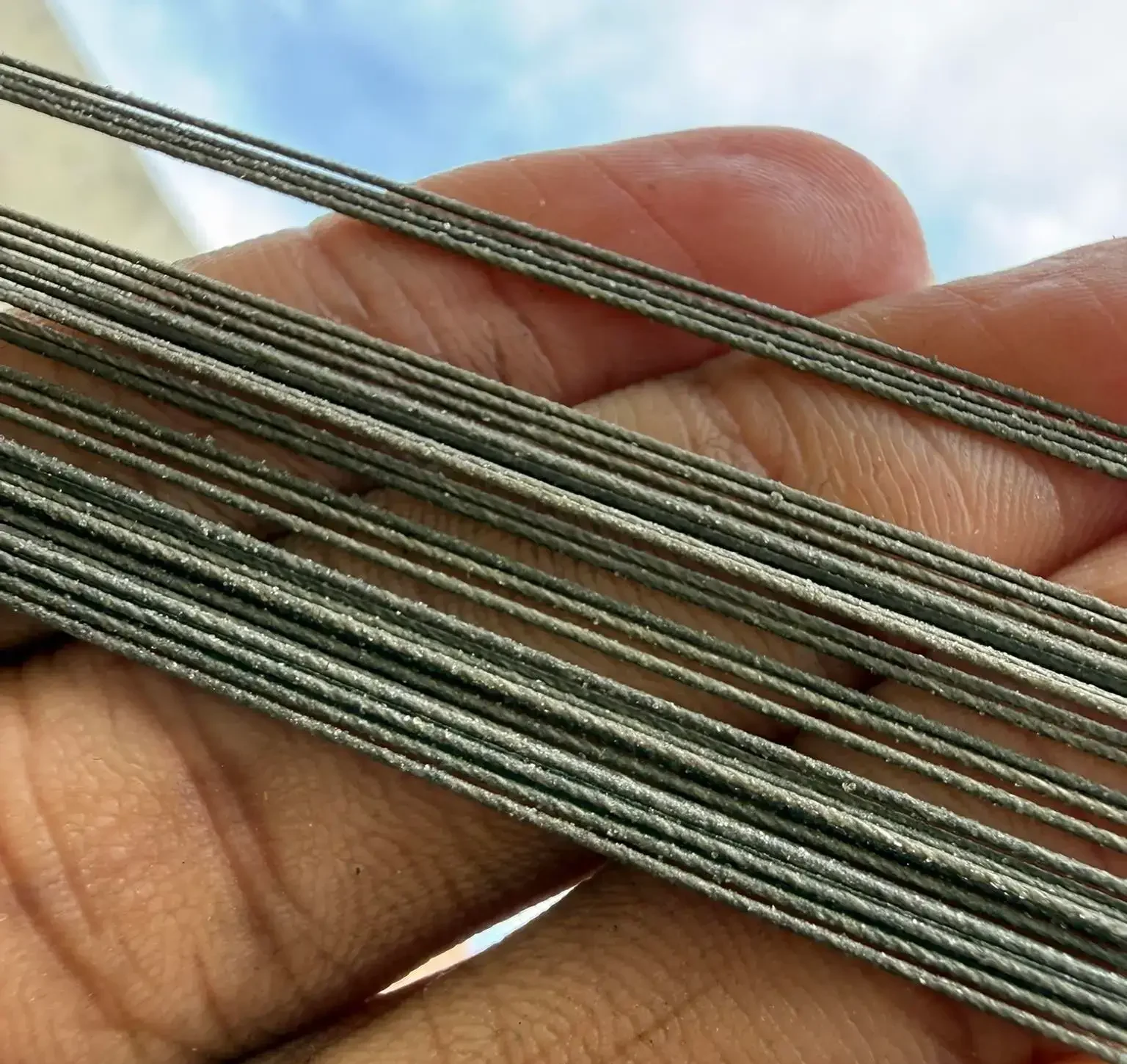
Made from pure cotton thread, coated with a glue-and-glass mixture. Comes in different thicknesses (6, 9, 12 ply). The classic choice for serious flyers — responsive, strong, and capable of excellent cutting.
2- Chemical Dor
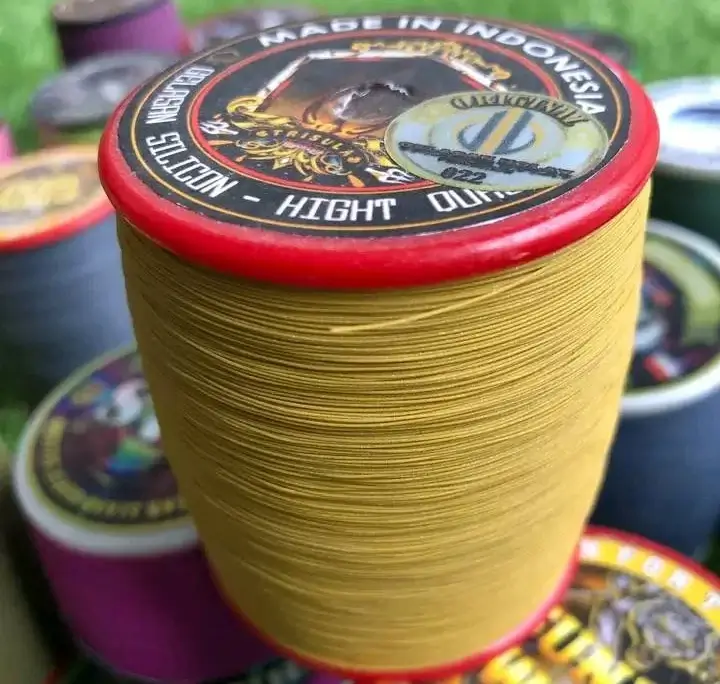
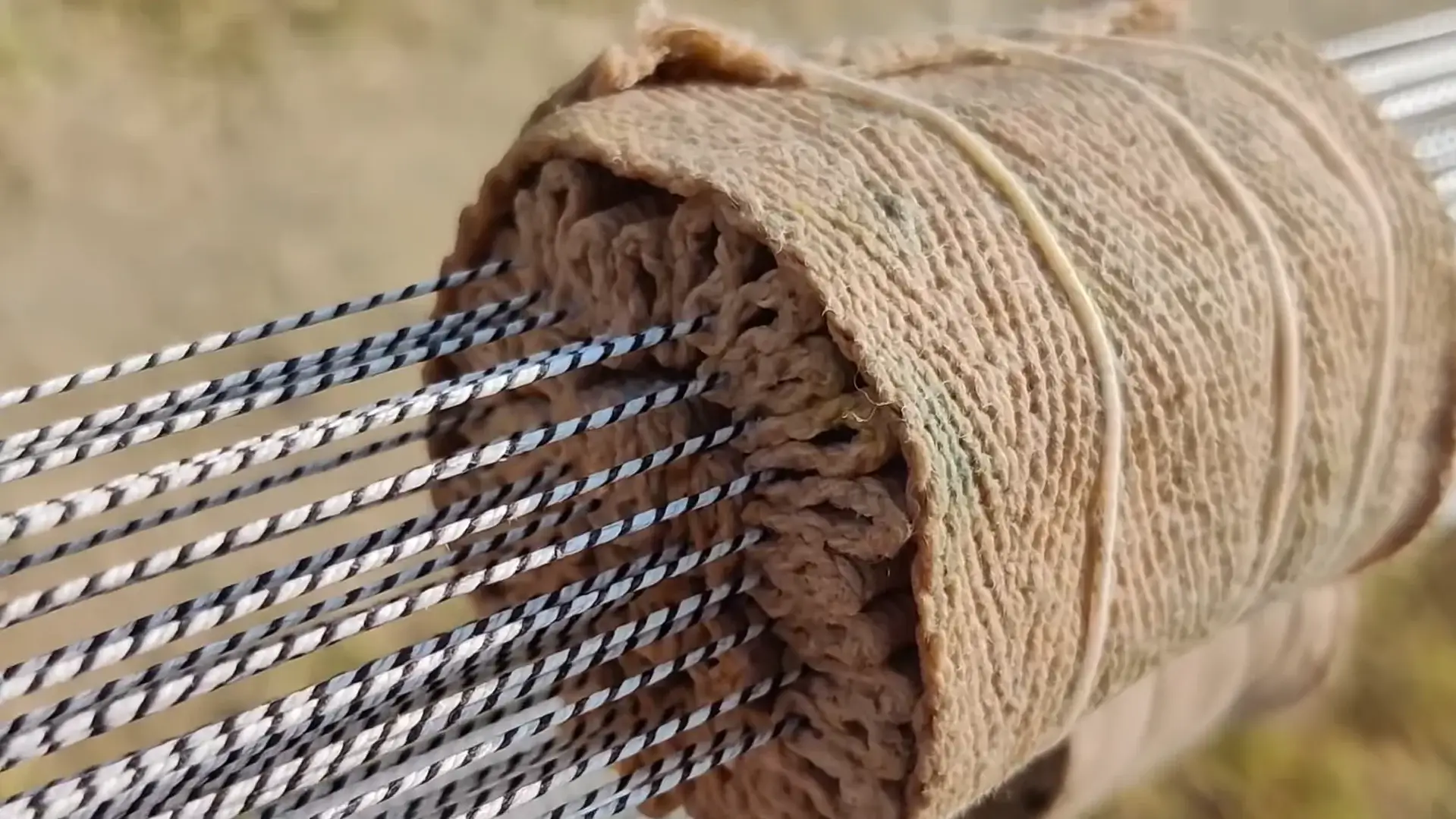
A plastic-based, shiny, extreamly thin string imported from Taiwan, China or Indonesia — coated with a mixture of glass powder, liquid paint, and adhesives. Extremely sharp and dangerous for human skin. Also called Chinese manja.
3- Tandi
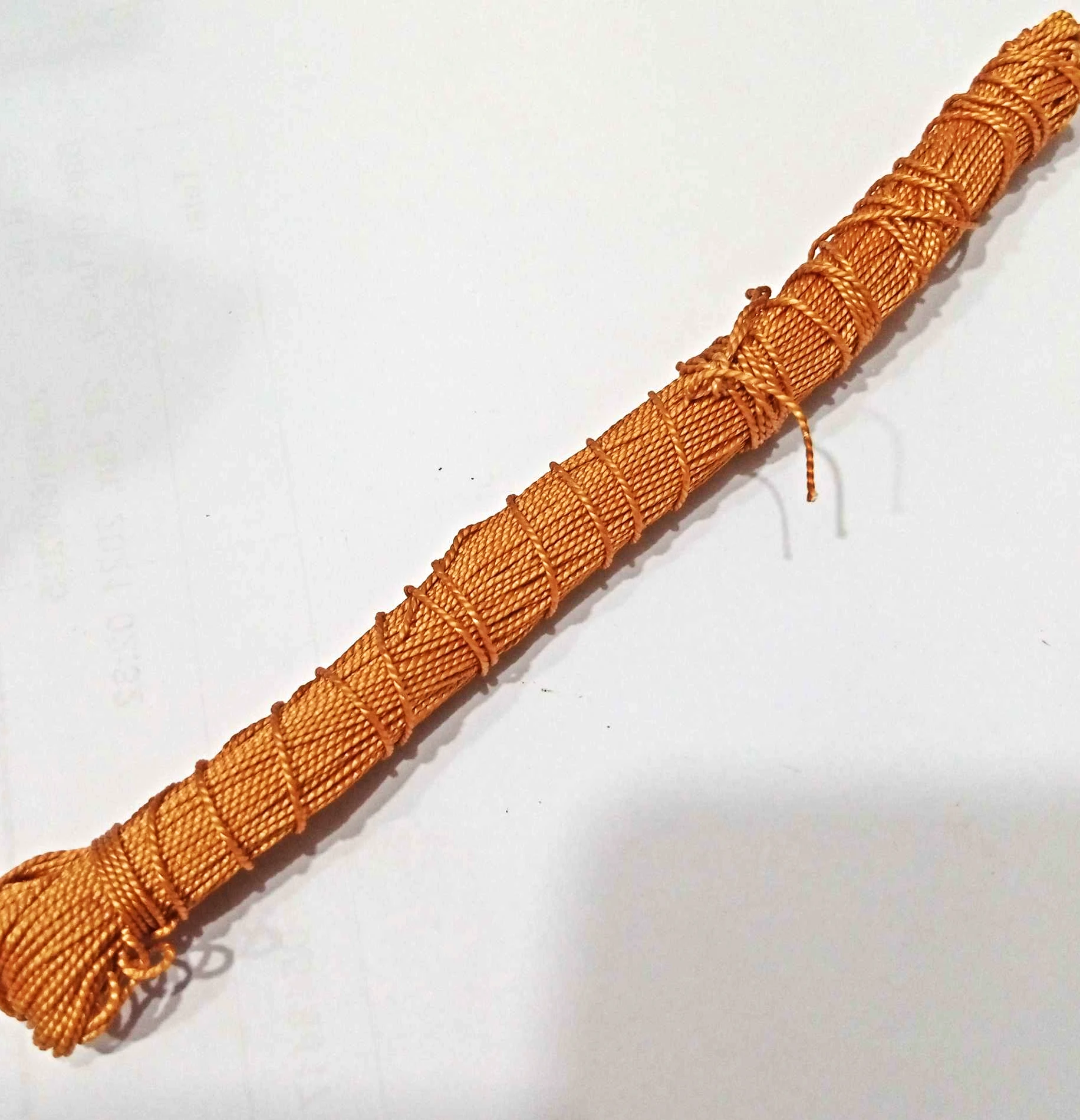
A metallic or semi-metallic thread known for its incredible strength and rigidity. Very different from cotton dor in feel and behavior. (More on tandi below.)
Legally Allowed Dor Types - Available in Pakistan Today
With Basant’s return in 2026, the legal dor market in Pakistan is still finding its footing. The Punjab government’s regulations are clear — 9-ply maximum, 28-count maximum, cotton-only composition, pinna format, and a QR code sticker for verification — but the industry is adapting at different speeds. Some traditional Ustads have already brought their craft into compliance and started producing government-approved dor, while others are still working through the registration and certification process. As the market stabilizes heading into Basant 2027, expect to see more legally certified options becoming available. For now, here’s what’s currently in production and approved for domestic use:
35 Number — 9 Ply
Currently, the primary domestically-produced cotton dor that meets Punjab’s legal specifications. It uses 9-ply thread (the maximum allowed) made from 28-count base cotton — which gives it enough strength and body for real flying without crossing into the dangerous territory of heavier coatings. It’s a solid everyday flyer’s dor, especially for those getting back into the game after the 19-year gap.
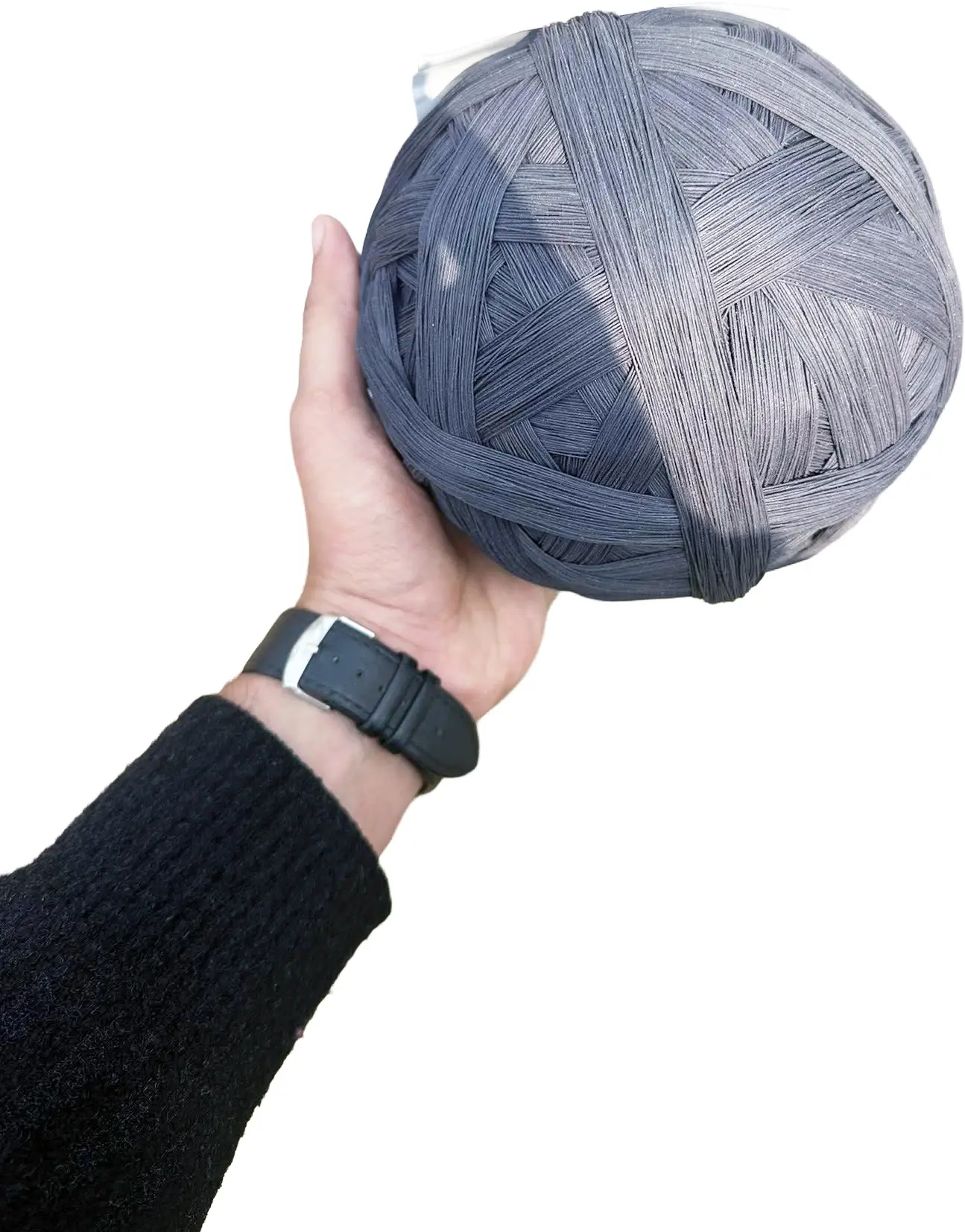
Export-Grade Cotton Dor
Pakistan is home to some of the most respected dor-making traditions in the world. While many of these higher-ply, more intensely coated varieties can’t be used domestically under current Punjab regulations, they are manufactured here for export — and they represent the full craft of what Pakistani Ustads are capable of.
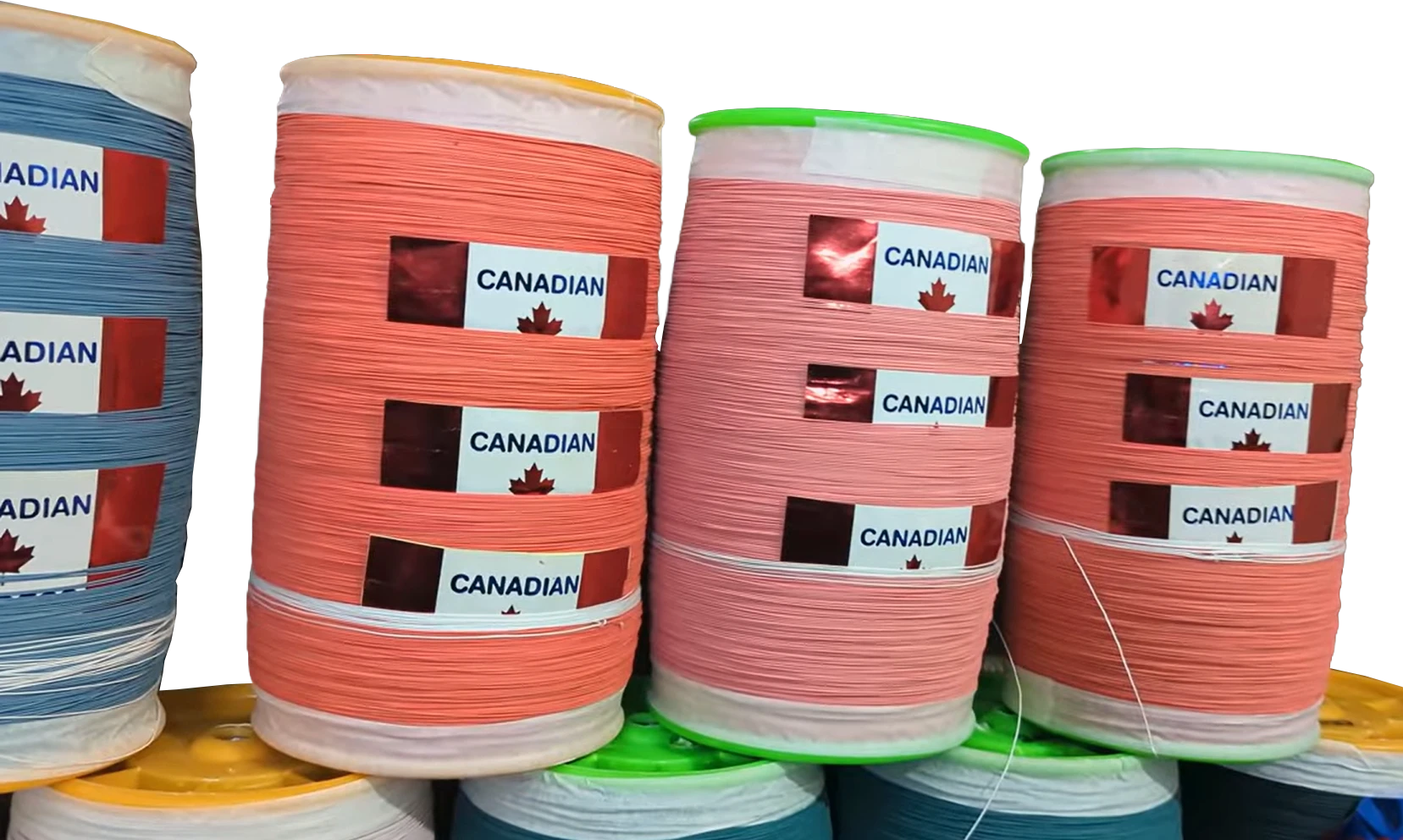
Here’s a look at the notable export-grade cotton dors produced in Pakistan:
Brand Name | Ply Count | Thread Type | Recommended Kite Size | Notes |
8 Chain | 6-9 ply | Thin | 1 tawa and below | Classic thin thread for small kites, precision flying |
35 Chain | 9 ply | Thin | Below 1.5 tawa | Excellent maneuverability for small patangs |
35 Minar | 9 ply | Thin | 1-1.5 tawa | Good control and responsiveness, moderate wind |
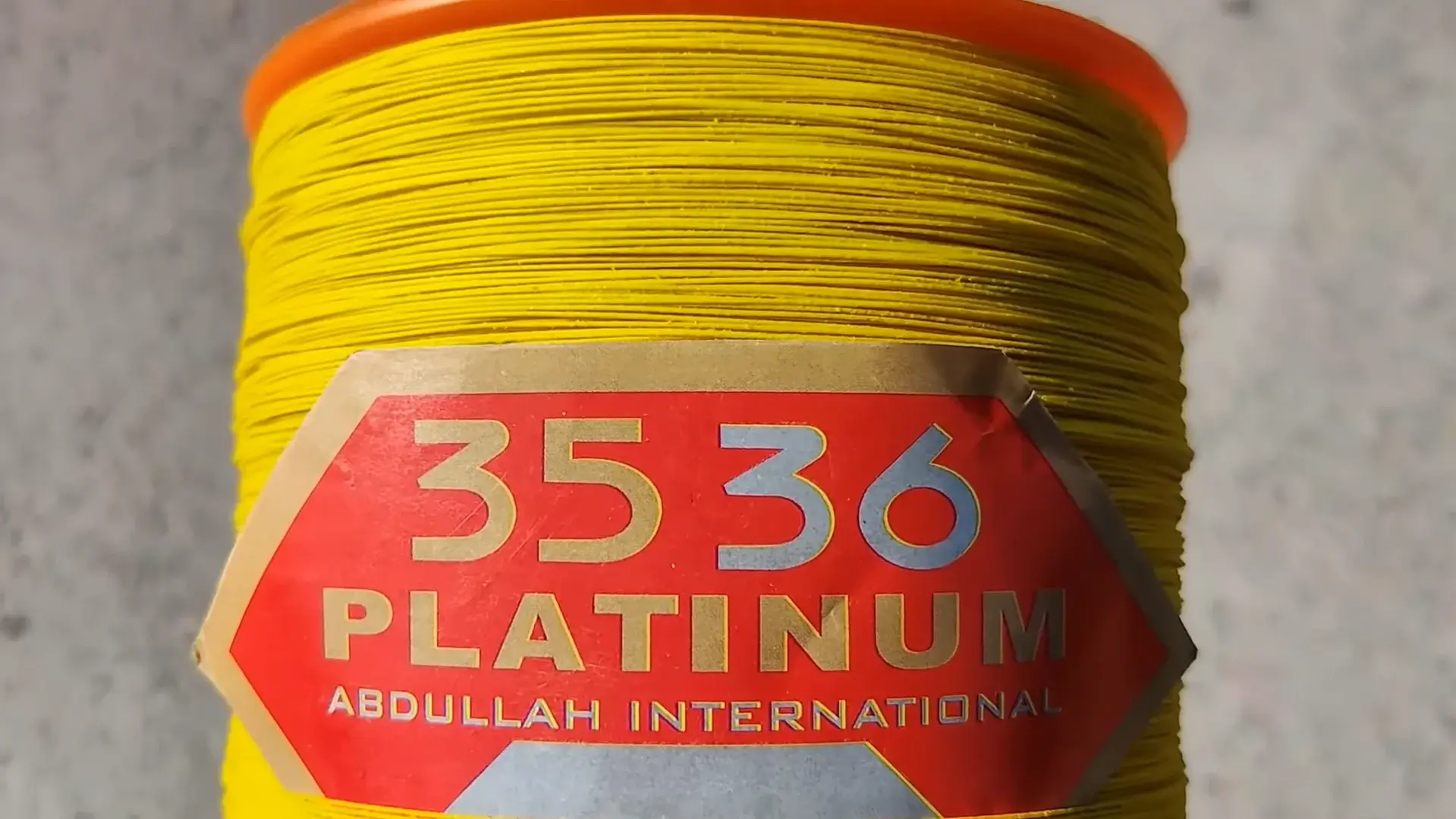
35/36 Platinum | 9-12 ply | Medium | 1.5 tawa / 4.5 gitthi and below | Premium tier, sweet spot for mid-sized kites |
Air Prince | 9 ply | Medium | Mid-sized kites | Punches above its weight in export markets |
000 King Panda | Special | Medium | 1.5 tawa | Specialty dor calibrated specifically for 1.5 tawa kites |
35 Mango Escort | 9-12 ply | Medium | Mid-sized kites | Different tier than Platinum,varied flying styles |
25 Chain | 12 ply | Thick | 2.5 tawa gudda / 5.5 gitthi patang | Heavy-duty for larger competitive kites |
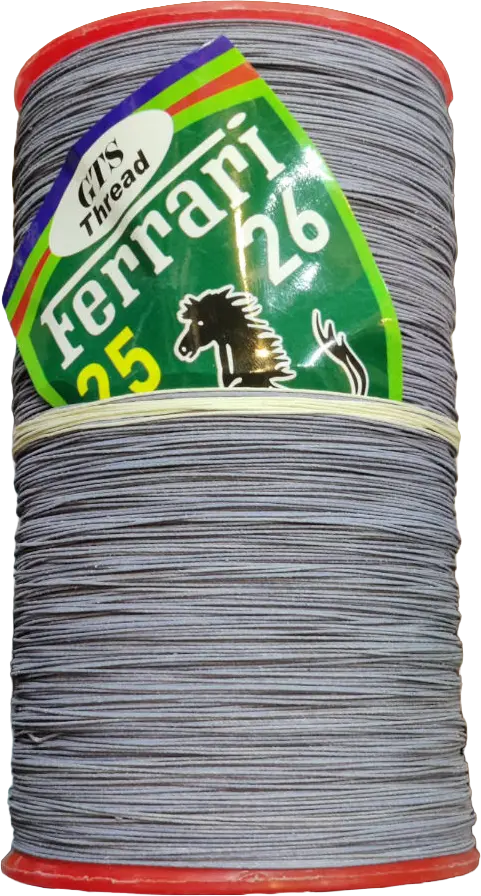
25/26 Ferrari | 12 ply | Thick | 2.5 tawa / 5 gitthi | Top-range performance for serious kites |
25/12 Ferrari | 12 ply | Thick | 2.5 tawa / 5 gitthi patang | Built for big kites, not for beginners |
25/26 Mango Platinum | 12 ply | Thick | Large kites | Premium Mango line, quality control focus |
American Express | 12+ ply | Thick | Patang games | Very popular for serious competitive flying |
25/26 Mango | 18 ply | Very Thick | Largest kites | high wind, Tournament-grade, heaviest in Mango lineup |
Why These Numbers and Brands Exist
If you’re new to dor, the naming system looks chaotic. 8 Chain? 35 Minar? 000 King Panda? What’s going on?
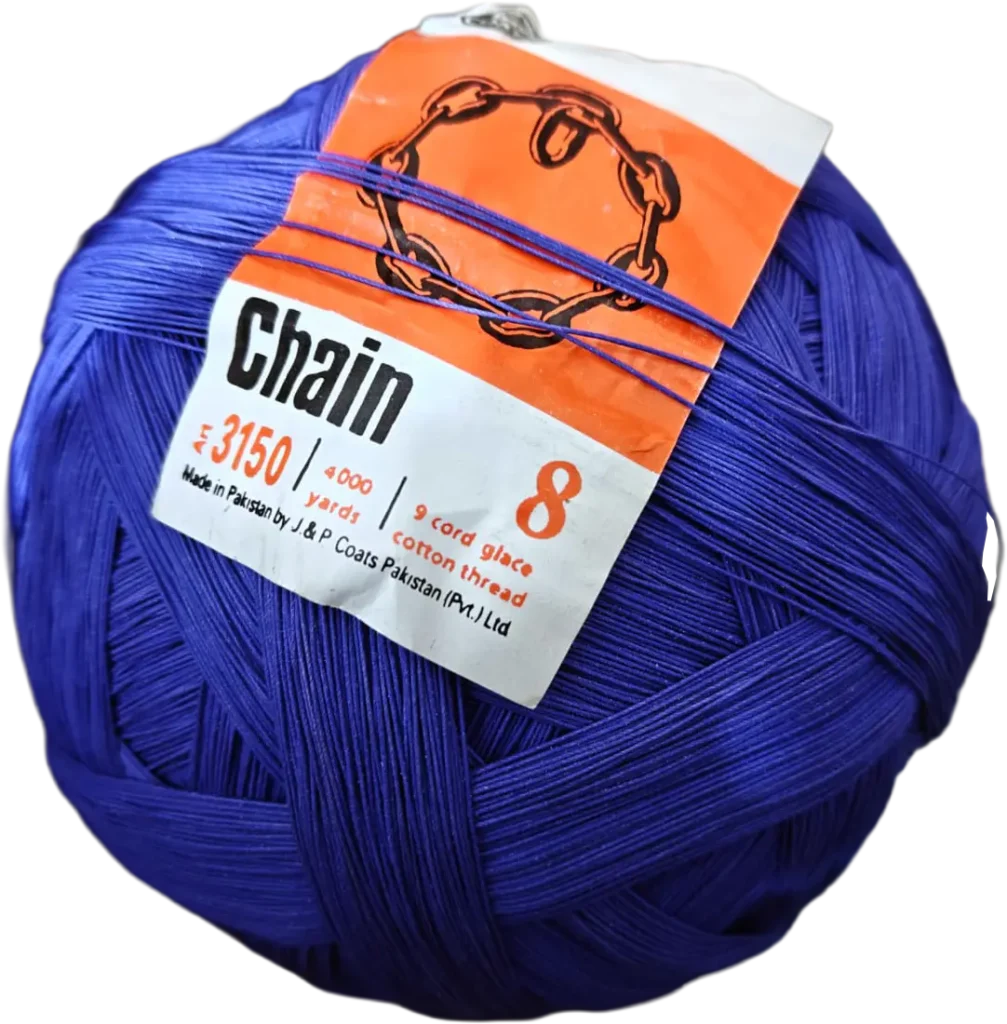
Here’s how it actually works — and it’s simpler than it looks. The dor names come from the cotton thread brands used as the base material. Chain, Panda, Sapphire, Tutti Frutti, White House, American Express, London Express, J&P Coats — these are all thread manufacturers. Each brand produces numbered threads with specific characteristics.
So when you see “8 Chain, 9-ply” — that’s:
- Chain = the thread brand
- 8 = the thread number (indicates thickness/quality from that brand)
- 9-ply = how many strands are twisted together
Thread ply counts can range from 6, 9, 12, 18, 21, 24, all the way up to 48-ply. Craftsmen can customize ply count based on demand — if you need a specific weight or strength, an Ustad can twist the thread accordingly.
The thread brand matters because each manufacturer has its own quality, fiber length, and consistency. Some brands are legendary in kite circles for a reason — the cotton quality, the uniformity, the way it takes coating. That’s why experienced flyers have brand loyalty. It’s not marketing. It’s decades of proven performance.
The smartest approach? Learn a few brands, understand your kite size, match your ply count accordingly. When in doubt, ask the vendor which dor works best for your specific patang.
Banned Dor Types
Not all string is created equal — and not all string is legal. Here’s what the Punjab government has firmly ruled out, and why.
1- Thick Cotton Dor
Not all cotton dor is created equal — and not all cotton dor is legal. Any cotton thread that exceeds 9-ply or goes above 28-count falls into banned territory in Punjab, and for good reason. These thicker threads create a fundamentally different (and more dangerous) flying experience. The extra thickness makes the dor incredibly difficult to cut during paicha, which sounds like an advantage until you realize it also makes the string harder to control, less responsive in the air, and far more unpredictable under tension.
When you combine that thick base thread with sharp glass powder coating and heavy adhesive layers, you’re dealing with a string that behaves more like a cutting wire than traditional manja. The sheer mass and abrasive surface of thick cotton dor make it a serious hazard — not just to competing kites, but to anyone or anything that comes into contact with it. Motorcyclists, birds, even the flyer’s own hands are at risk. This is why the government drew a hard line at 9-ply, 28-count maximum. Anything beyond that isn’t sport — it’s a weapon.
2- Chemical Dor
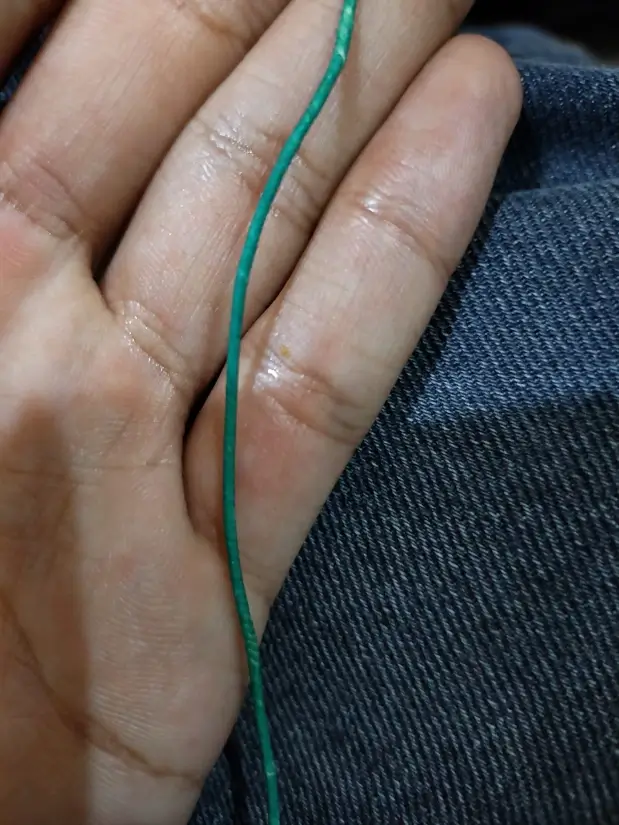
Chemical dor is a plastic string — not cotton — imported primarily from Taiwan and Indonesia. Unlike traditional cotton manja, this is a synthetic thread coated with a deadly mix: finely ground glass powder, liquid paint, and polyvinyl acetate glue (commonly known as German glue). The result is an incredibly sharp, non-biodegradable string that’s nearly invisible in the air and stays lethal for years.
This dor is completely banned in Pakistan under serious criminal penalties: possession or use is a non-bailable offense with prison sentences up to 7 years and fines reaching Rs. 2 million. It’s the same thing as Chinese manja — different names, same deadly product. The danger isn’t just during the festival — stray chemical dor hanging from trees or power lines kills birds and causes injuries to people months after Basant ends. Stay far away from it.
3- Tandi
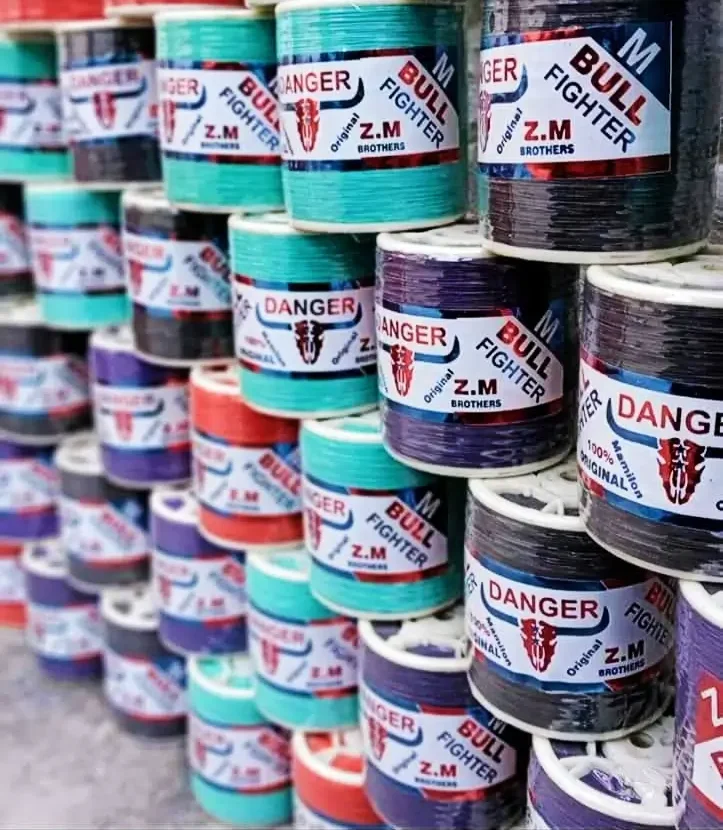
Tandi is a waxed nylon or metallic-threaded cord — the same kind of industrial thread you’ll find at your local cobbler’s shop being used to stitch and repair shoes. It’s tough, durable, and perfect for stitching leather. But in the world of kite flying, tandi earned a very different reputation.
Tandi was widely used not for flying kites, but for capturing them mid-air. When someone’s kite got cut during a paicha, the race was on to snatch it out of the sky before it hit the ground. Flyers would rig up tandi with cycle clutch wire — creating a long, conductive line they could throw out to hook falling kites. It worked brilliantly for retrieval. The problem? When those metal-reinforced lines touched electric wires or got tangled in power pole installations, the results were catastrophic. A loud explosion, sparks flying, and suddenly an entire neighborhood would go dark — power cut off for hours while crews worked to fix the damage. The government never officially disclosed the exact reasons for banning tandi, but anyone who lived through pre-ban Basant knows this was a major issue. Tandi is now completely banned for kite flying in Punjab. If you see it being sold, it’s for its legitimate use — shoe repair — and nothing else.
How Dor Played a Key Role in Basant's Ban
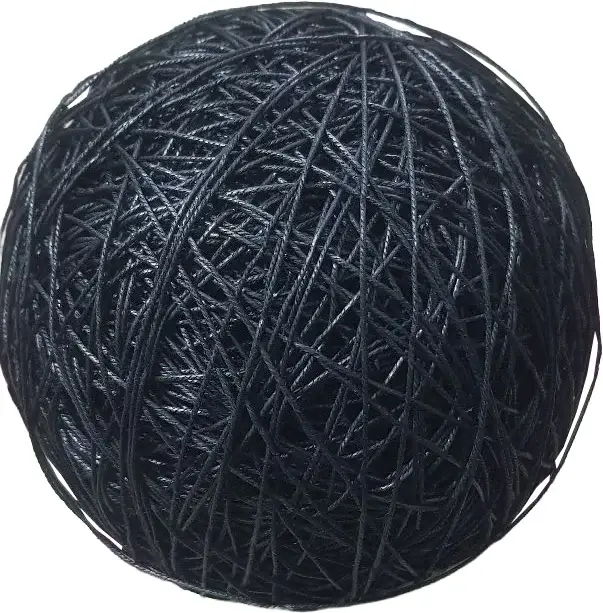
Basant wasn’t banned because of kites. It was banned, in large part, because of dor — specifically, the dangerous types, including chemical dor, thick cotton dor, tandi etc that flooded the market in the years leading up to 2005.
As Basant grew into a massive commercial event through the 1990s and early 2000s, the demand for sharper, more aggressive dor exploded. This opened the door for extremely sharp glass powder, chemical coatings, nylon, plastic-laced strings, and synthetics that were far more dangerous than traditional cotton manja. The result was a spike in casualties — motorcyclists, rooftop falls, and power line incidents — that made the Punjab government finally act.
The last major public Basant celebration was in 2007, with some illegal flying continuing into 2008 before enforcement fully kicked in.
For the full story of how Basant was banned and why it came back in 2026, read : Why Basant Was Banned?
How Dor Is Made: Then vs Now
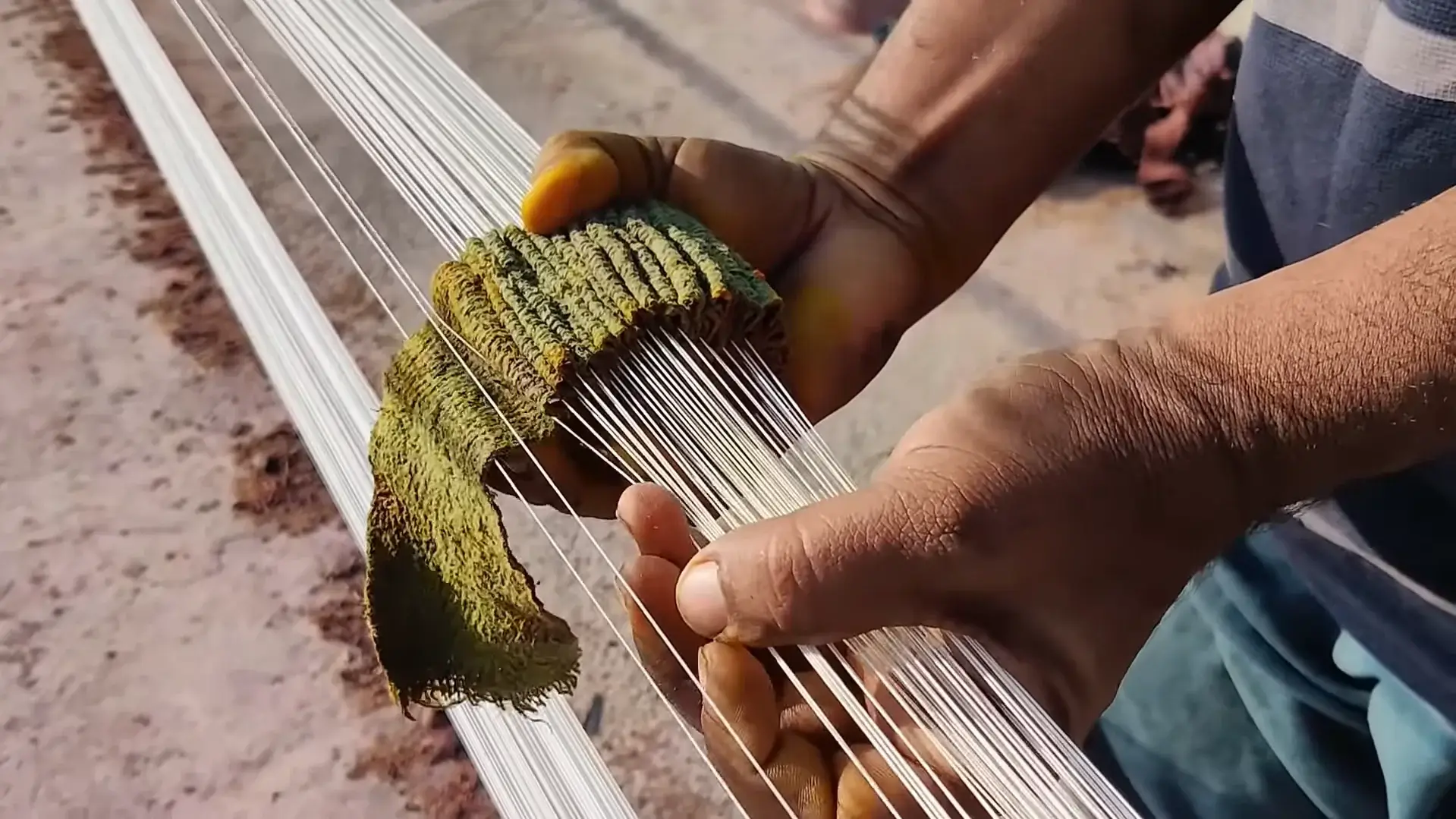
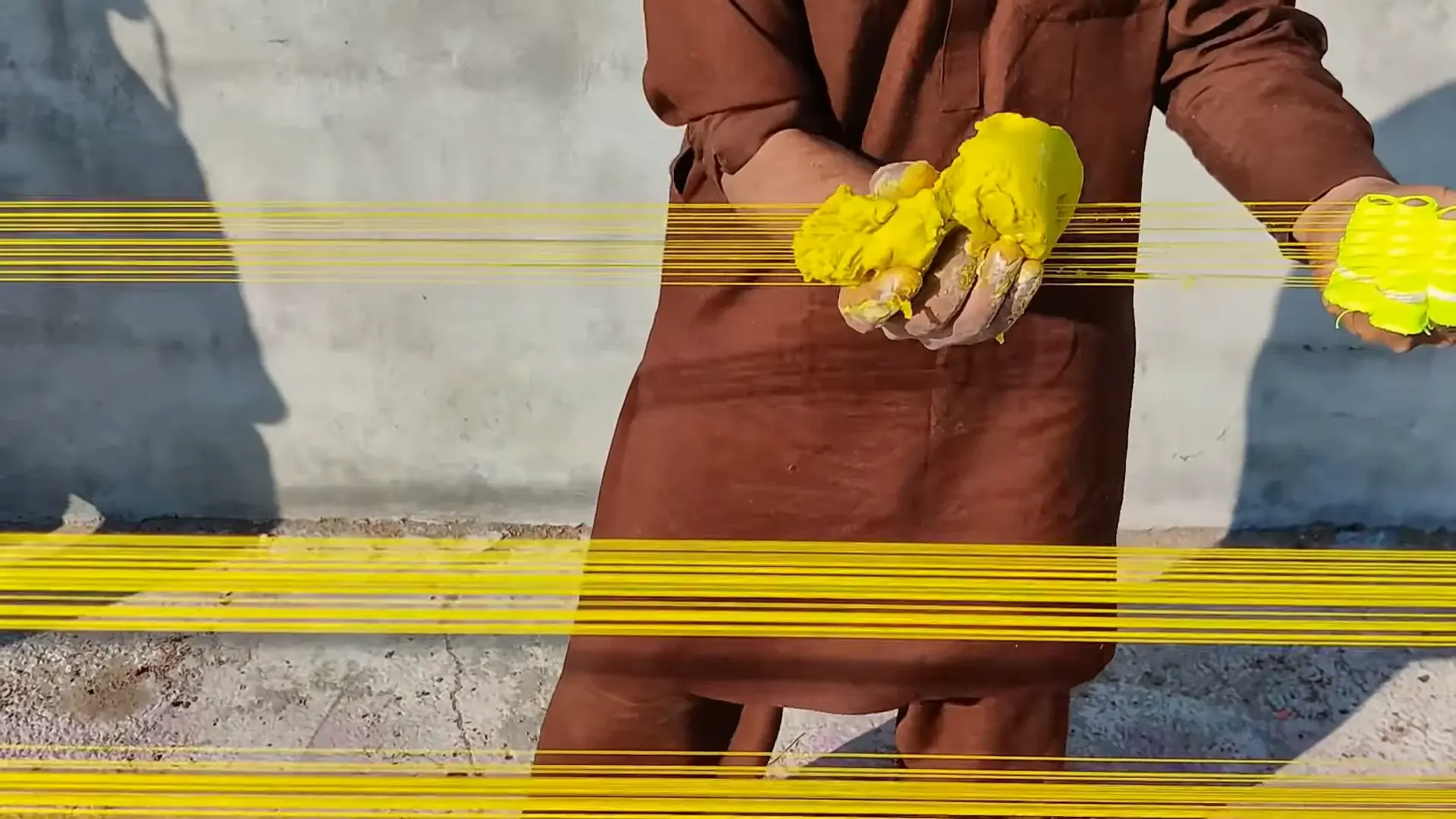
Before the Ban: The Old Way
Making premium dor before 2007 was a weeks-long operation, and the best Ustads turned it into something close to an art form.
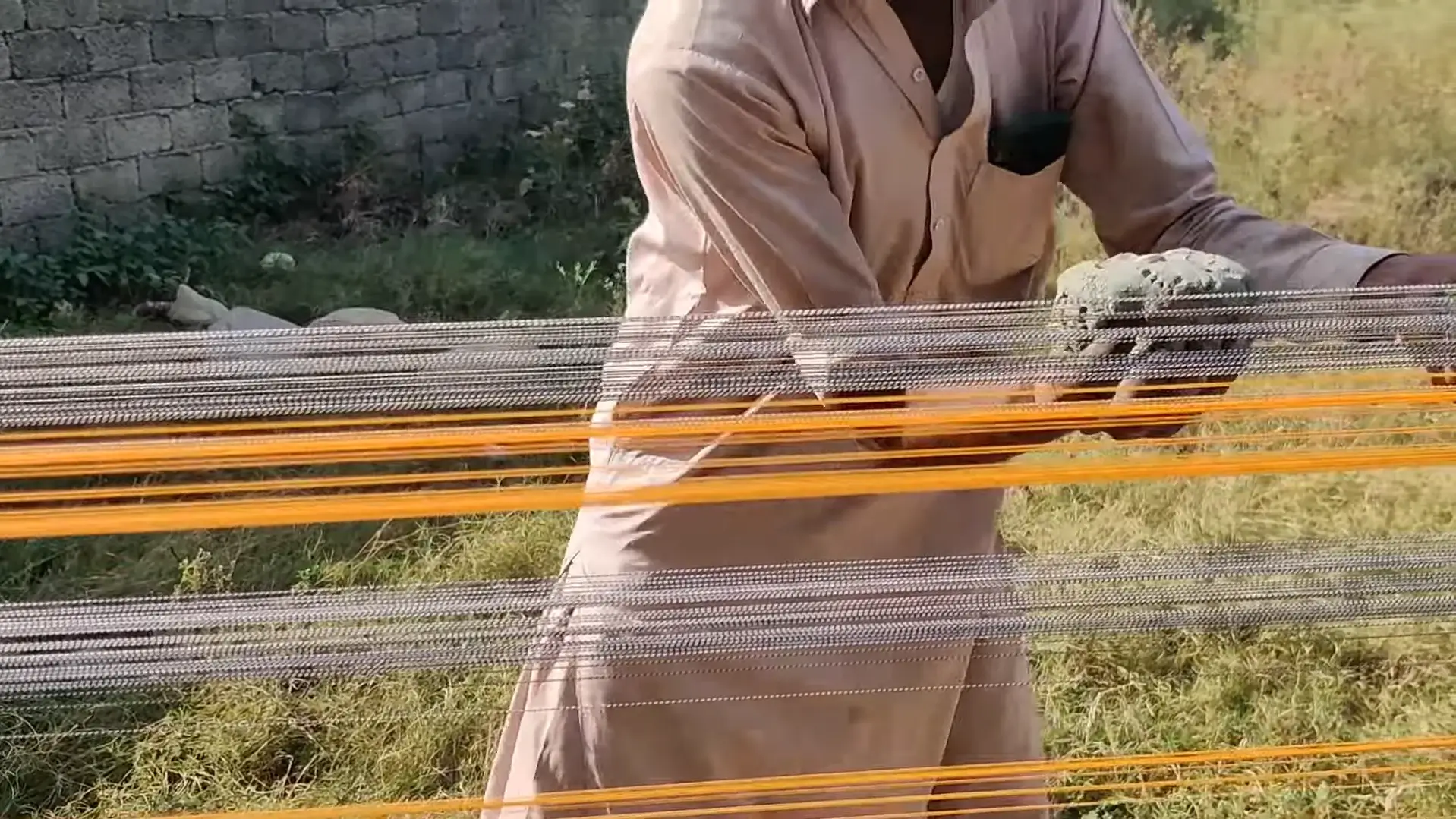
It started with pure cotton thread — the longer the fiber staple, the better — stretched between two poles set maybe 10 to 15 meters apart. The Ustad would prepare a thick paste: cooked rice flour as the adhesive base, with finely ground and sieved glass powder mixed in at a specific ratio that was, frankly, his business and nobody else’s.
The thread was drawn through this paste by hand, the excess scraped off, then left to dry in the sun. This wasn’t a one-and-done process — it was repeated five to ten times, each coat drying before the next. More coats meant more “glace” (that telltale shine on premium dor) and more cutting power. The final product was wound onto charkhis or pinnas and sold.
The Length System: One piece = 1000 yards (approximately 1 km) of dor wound on a charkhi or pinna. Two piece = 2 km, four piece = 4 km, six piece = 6 km. Most commonly, the market sold dor in 1-piece, 2-piece, 4-piece, and 6-piece formats. The more pieces you bought, the longer you could fly without running out mid-paicha.
The whole batch could take two to four weeks from start to finish for regular dor, and up to a month or more for tournament-grade product. The recipe — which ingredients, what ratios, how many coats — was kept strictly within the family or passed to a trusted apprentice only.
After the Ban
With the 2026 revival of Basant, the government didn’t just turn the lights back on — they rewrote the rules. Dor production that’s legal today looks quite different from the old days.
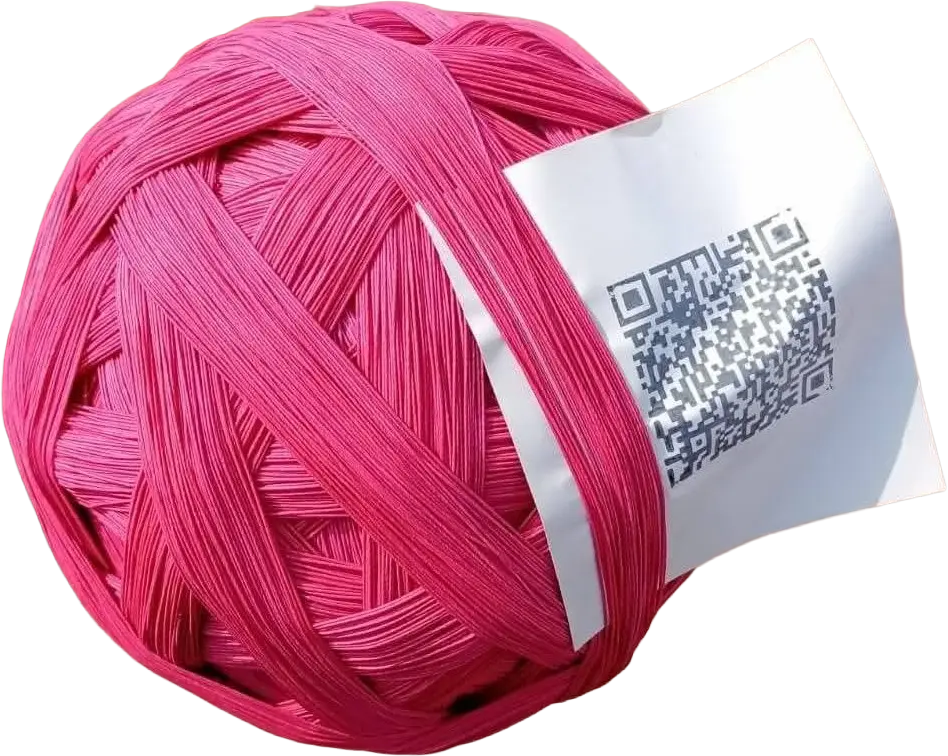
Modern legal production uses 100% cotton thread (9-ply maximum, 28-counts), with natural or minimal abrasive coating – coated only with approved maanjha. No industrial chemicals. No metal particles. Government registration for making dor, inspection, and certification is required, and each pinna gets a QR code sticker that can be verified on the spot by a buyer or police officer.
Skilled Ustads who are still in the game have had to adapt their craft. Some have moved to export-oriented production (see the section below). Others are working within the new legal framework, which is honestly more challenging — because “less sharp” doesn’t mean “easier to make well.” Getting a good-quality legal dor that still has enough character for a competitive paicha is a real skill.
Pinna vs Charkhi
If you’ve been around kite flying for more than five minutes, you’ve heard the debate. And if you’re new, here’s the deal.
Pinna is the ball-shaped winding format — dor coiled neatly into a compact ball, usually around a small cardboard core. It’s controlled, manageable, and the format mandated by the Punjab government for Basant 2026 onwards.
Charkhi is the classic wooden spool — two flat circular sides with the dor wound around an axle in between. In its heyday, the charkhi was the symbol of serious dor. A skilled flyer could unwind string at lightning speed during a paicha, managing tension with precision. But the charkhi’s speed also made it dangerous — string releasing too fast, too sharp, spinning out of control.
Allowed Dor
NOT Allowed
Why Is Charkhi Banned?
For Basant 2026, charkhis were prohibited and pinna was the only legal format. It’s a change that old-school flyers aren’t thrilled about — but it’s a condition of keeping Basant alive.
It comes down to control — or the lack of it. Charkhis allow dor to unwind extremely fast, which sounds great in a competition but creates real risk in a crowded rooftop environment. A fast-spinning charkhi with sharp dor is a hands-and-fingers hazard. The pinna format keeps things at a manageable pace — you’re handling the string in smaller, more controlled amounts.
Safety Guidelines
Dor is sharp. Even legal cotton dor can cut skin if handled carelessly. Here’s how to stay safe:
Always wear gloves when handling dor — especially during paicha when the string is under tension and moving fast. Bare hands on fast-moving manja is how people end up in hospital.
Verify your dor is legal before flying. Scan the QR code on your pinna through the e-Biz Punjab portal. If there’s no QR code, don’t use it during Basant.
Use sadda dor for the base section. Most experienced flyers don’t use a single type of dor from hand to kite. Instead, they use a two-part setup: approximately 100 yards of coated manjha (the cutting dor) attached at the kite end, and then plain sadda (uncoated cotton) for the remaining length down to your hands. This isn’t just tradition — it’s essential safety.
The long stretch of line from your hand down to where the actual manja starts should always be plain uncoated cotton — zero risk of cutting yourself or anyone else accidentally.
Dispose of dor responsibly. After flying, cut used dor into short segments (10 cm or less) before throwing it away. Long hanging strings are a serious hazard for birds and animals long after the festival ends.
Motorcyclists: If you’re riding through kite-flying areas during Basant, install a safety rod between your handlebars. It’s not optional — it’s survival.
The Future of Dor in Pakistan
Basant 2026 proved something important: kite flying can come back, and it can be done with stricter regulation instead of a total ban. But the dor ecosystem is still finding its footing.
The immediate challenge is supply and pricing. Legal 9-ply cotton dor was in short supply during Basant 2026, which led to serious price manipulation — buyers were paying three to seven times the fair market rate at peak demand. For 2027, better advance planning from manufacturers, registered vendors, and government oversight should stabilize things significantly.
The longer-term question is where the craft goes. Pakistan’s Ustads are among the most skilled dor-makers in the world. With the right regulatory framework, there’s real potential for a thriving, legitimate dor industry — one that meets local legal requirements while continuing to produce export-grade product that represents the best of Punjabi craftsmanship.
The tradition isn’t going anywhere. The question is just how smartly it evolves.
Conclusion
Dor might look like a simple piece of string, but it carries the weight of an entire culture on it. From the Mughal rooftops of old Lahore to the regulation-stamped pinnas of Basant 2026, the story of dor is the story of basant itself — a tradition that refuses to disappear, no matter what gets thrown at it.
Whether you’re a first-time flyer trying to figure out what you’re doing, or someone who grew up watching your father/relative square off in a paicha, understanding your dor is the first step to really understanding this sport.
Fly legal. Fly smart. And when your dor cuts someone’s kite out of the sky — shout it loud: Wo Kaata!
Frequently Asked Question (FAQ)
What is dor and how is it different from regular string?
Dor (also called manja or manjha) is specially coated kite-fighting string made from cotton thread treated with an abrasive paste — traditionally rice glue and powdered glass — to give it cutting ability during kite battles (paicha). Regular string has no coating and can’t cut other kites.
Is all dor banned in Pakistan?
No. Legal cotton dor (maximum 9-ply, 28-count thread, pinna format, with government QR code) is allowed during officially authorized events like Basant. Tandi, Chemical dor, metal-coated dor, thick cotton dor (above 9-ply), and synthetic strings remain completely banned in Punjab.
Why is 9-ply the maximum legal limit for dor?
Threads above 9-ply become too thick, very dangerous to human skin and difficult to control, making them more dangerous. When combined with glass coating and heavy adhesives, thick dor (12-ply, 18-ply, etc.) behaves more like a cutting wire than traditional manja — creating serious hazards for motorcyclists, birds, and even the flyer’s hands.
How do I verify if my dor is legal before buying?
Every legal dor must have a QR code sticker on the pinna. Scan it with your phone camera — it should link to the e-Biz Punjab portal showing the registered manufacturer. If there’s no QR code, don’t buy it. Also check: it must be in pinna (ball) format, not charkhi, and pure cotton only.
What is chemical dor and why is it so dangerous?
Chemical dor is a plastic-based string (not cotton) imported from Taiwan or Indonesia, coated with glass powder, liquid paint, thinner, and PVA glue. It’s nearly invisible in the air, extremely sharp, non-biodegradable, and stays lethal for years. It’s the same as Chinese manja. Possession carries up to 7 years prison and Rs. 2 million fine in Punjab.
Why is pinna format mandatory and charkhi banned?
Pinna (ball format) allows controlled unwinding and safer handling. Charkhi (wooden spool) lets dor release extremely fast, which increases risk of injuries from sharp string moving at high speed. The government banned charkhi for Basant to improve safety while keeping the tradition alive.
What is the penalty for using illegal dor in Punjab?
Using or possessing banned dor is a non-bailable offense: up to 5 years prison and Rs. 2 million fine. Manufacturing, selling, or transporting illegal dor carries up to 7 years prison and Rs. 5 million fine. Police actively enforce these laws with drone monitoring and checkpoints during Basant.
Can I buy export-grade dor like 25 Chain or Ferrari in Pakistan?
These dors are manufactured in Pakistan but intended for export to markets where higher-ply coated dors are legal. They cannot be used domestically in Punjab under current regulations (9-ply maximum). Buying them for personal use during Basant is illegal, even though they’re produced here.
Where can I legally buy dor for Basant 2027?
Dor sales for Basant 2027 are not yet authorized. The Kite Flying Association has requested the Punjab government to allow a minimum 4-month preparation window for legal dor production and sales. If approved, purchasing will likely open in late January or early February 2027 — only from government-registered vendors listed on the e-Biz Punjab portal. Major markets include Mochi Gate and Rang Mahal in Lahore’s Walled City.
What is paicha and how does dor cutting work?
Paicha is when two kite strings cross and lock in battle. Both flyers maneuver their lines — pulling tight to create tension, releasing to let the opponent’s dor slip, then pulling again. The sharper, faster-moving dor cuts through the other. Good paicha technique matters more than just having sharp dor.
How much dor do I need for one day of kite flying?
It depends on where and how you’re flying. During Basant festival on crowded rooftops, paicha happens at close range — a 2-piece pinna (approximately 2 km) is enough for 20-25 kites. For normal rooftop flying where battles can go farther, the same 2-piece covers about 10 kites. In open areas or ground flying where paicha can stretch very far, serious flyers go for 4-6 pieces, sometimes buying multiple spools to ensure they don’t run out mid-battle. The farther your kite travels during fights, the more dor you burn through.
Can I make my own dor at home?
No. Even if you know how to make dor, producing it without government authorization is illegal. If you’re caught with unregistered dor, authorities will assume it was made outside the 2026 SOPs (standards of procedure) and you’ll face severe legal consequences — the same penalties as using banned dor: up to 7 years prison and Rs. 2 million fine.
If you genuinely want to make dor, you must register yourself as a manufacturer on the e-Biz Punjab portale-Biz Punjab app or website and meet all government certification requirements. Otherwise, buy only from authorized dealers with proper QR code certification.
Should I use sadda dor or coated manja for flying?
Use both! Experienced flyers attach about 100 yards of coated manja at the kite end (for cutting ability), then plain sadda for the remaining length to your hands. This protects your hands from cuts during paicha while keeping the cutting action up in the air where it belongs.