

The Dark Side of Basant 2026: Why the Common Man is Losing to the “Kite Mafia”
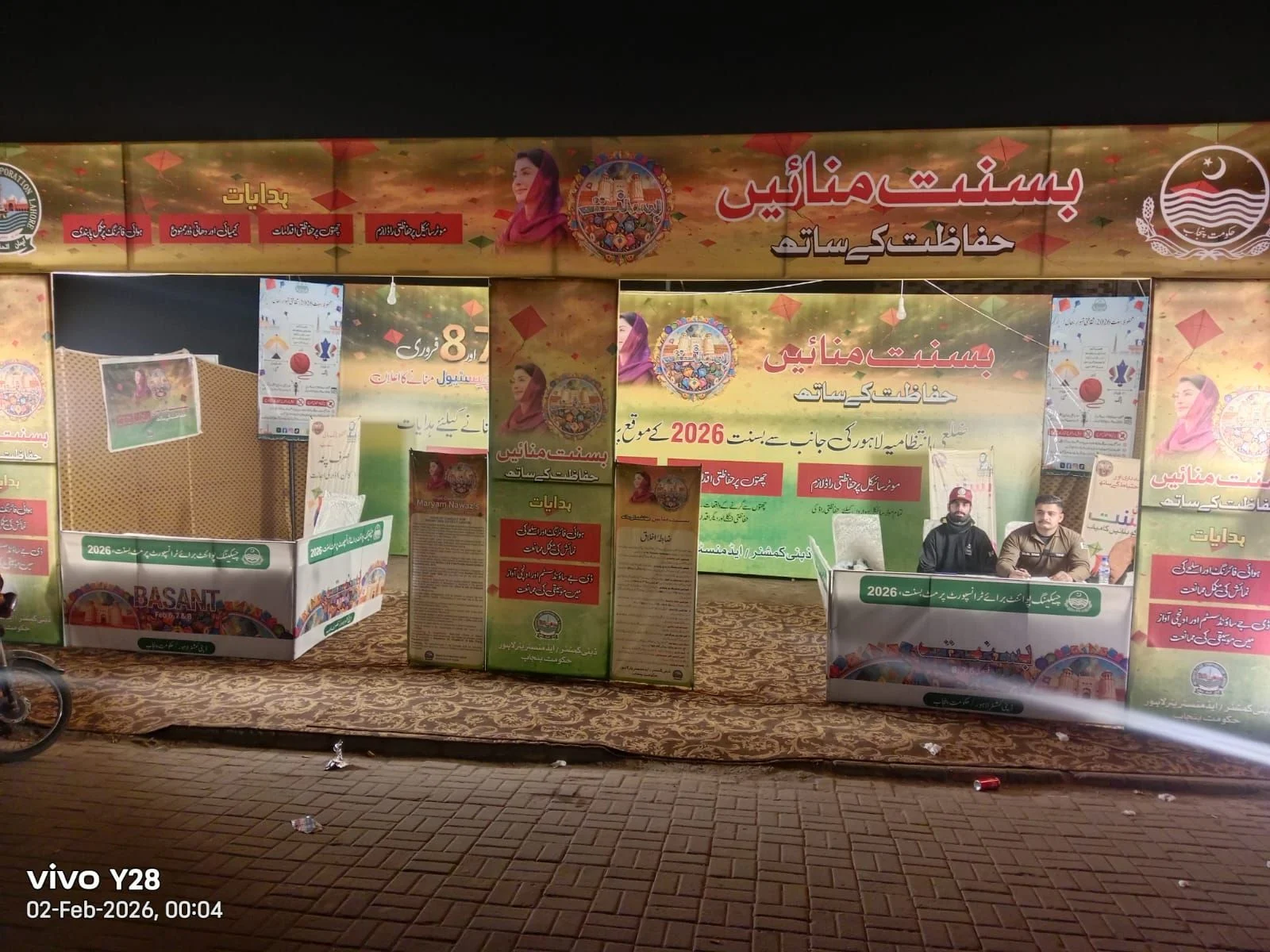
As the Basant 2026 preperation is going on across the city, a serious debate is circulating among kite enthusiasts regarding the Basant 2026 price hikes in Lahore. While the revival of the festival is a dream come true for many, the sudden shift in government policy and the skyrocketing costs of gear have left a bitter taste for the common man. From manufacturing delays to the “black marketing” of kites, it seems the celebration is currently being gatekept by a few at the top.
A Late Decision for Manufacturing
The Punjab government recently allowed four additional districts—Kasur, Sheikhupura, Faisalabad, and Multan—to manufacture kites. But critics are asking: Why now? With only days left until the main event, the supply chain is under immense pressure. Had this decision been made months ago, thousands of people wouldn’t have faced arrests and legal cases for trying to maintain their livelihoods in those very same cities.
The Skyrocketing Costs: From 100 PKR to 600 PKR?
The most shocking part of this season isn’t the wind—it’s the price tag. A standard Tawa that used to cost around 70 PKR prior to the announcement of this historical event, is now reportedly touching 600 PKR in some markets. This massive leap isn’t just inflation; it’s the result of a “Kite Mafia” taking advantage of a limited supply.
“If the government fixed rates while issuing licenses, sellers would have known exactly what to charge. Instead, the market has been left to the mercy of those looking to exploit the public’s excitement.”
Where is the Support for the Poor?
Basant has always been a festival of the streets, belonging as much to the laborer as it does to the elite. Many are now suggesting that instead of letting prices spiral, the government should have taken more proactive steps. While the Commissioner Lahore has recently announced that the government will release an official rate list to curb overcharging, many feel this move should have come much earlier.
For a truly inclusive festival, the public suggests:
-
Enforced MRPs: Not just announcing a list, but ensuring shopkeepers actually sell at those rates.
-
Subsidized Stalls: Establishing government-run stalls to sell safe, affordable gear directly to citizens to bypass the “black market.”
-
Inclusive Laws: Allowing all of Punjab to celebrate under their own local administrations, rather than making it a “Lahore-only” privilege that turns kite flying into a crime in neighboring cities.
Missed Economic Opportunity
By restricting the festival so tightly, a huge amount of revenue has shifted toward unregulated markets or other provinces like KPK. If the Punjab government had integrated its local industry early on, that money would be circulating within our own economy, benefiting local craftsmen.
As we move toward the weekend, the message from the public is clear: Happiness is a right for the poor too. We hope the authorities listen and involve more community-focused minds in their planning for next year, so Basant remains a festival of joy, not a burden on the pocket.